Omschrijving
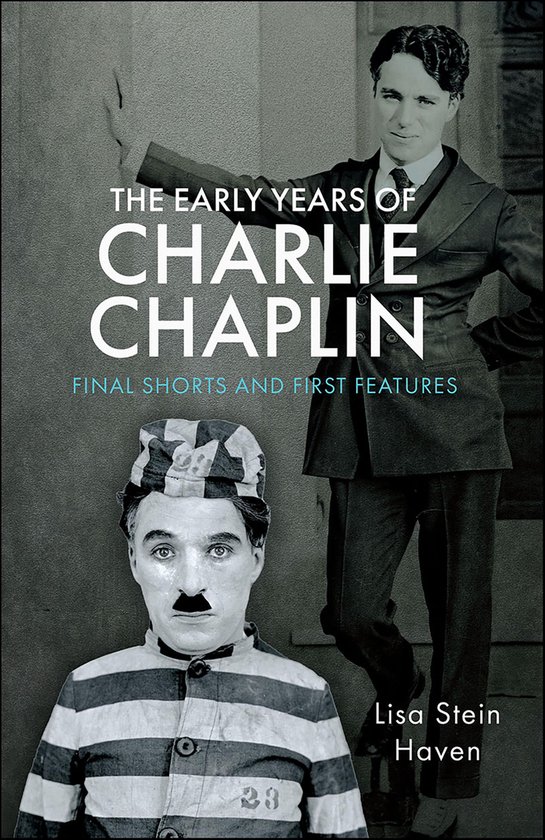
Charlie Chaplins career has been described, critiqued, and scrutinized. There are book-length studies on Chaplins music hall career, his career at Keystone Studios and the Mutual Studios. Somehow, his tenure with First National studios, however, has been largely neglected, even though it was during this several-year contractual time period that Chaplin built and occupied his own studio for the first time, that he attempted and succeeded in filming a comedy feature (The Kid) and that he helped to set up United Artists, an organization that protected the salaries and creative freedom of actors in Hollywood. This period in Chaplins story is especially interesting because such landmark moments are accompanied by Chaplins first marriage and divorce, the death of his first child, his friendship with French silent film comedian Max Linder, World War I and the role he would play in it, and the production and release of several unsuccessful films that marked Chaplins first creative blockage - one that threatened his future career. This book will discuss the transitional periods just before and after the First National contract, as well as the all-important period satisfying it. Archival evidence provides most of the support for the books assertions, from the Chaplin archive (property of Roy Export, digitized by Cineteca di Bologna, Italy), and the personal archives of other individuals or institutions discussed. Rare photos will illustrate the story.
Gerelateerde producten
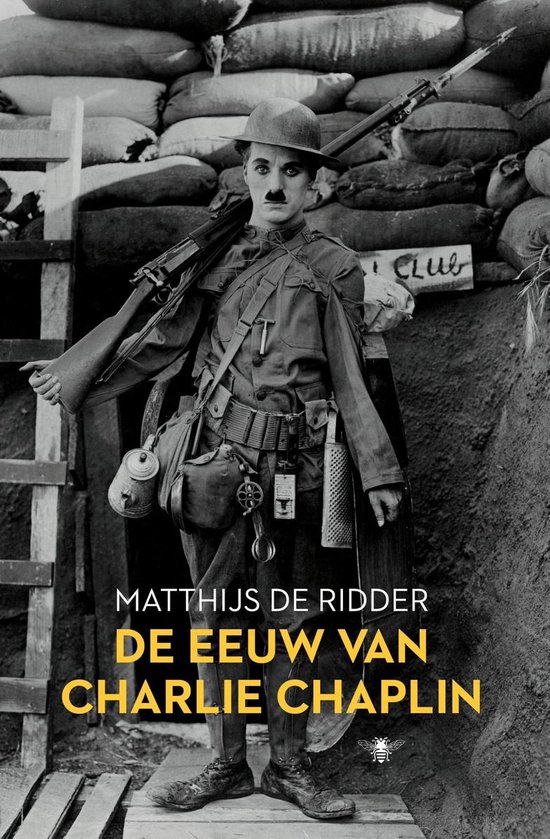
De eeuw van Charlie Chaplin
€ 12,50
Op voorraad. Voor 22:50 uur besteld, morgen in huis
Bekijk bij bol
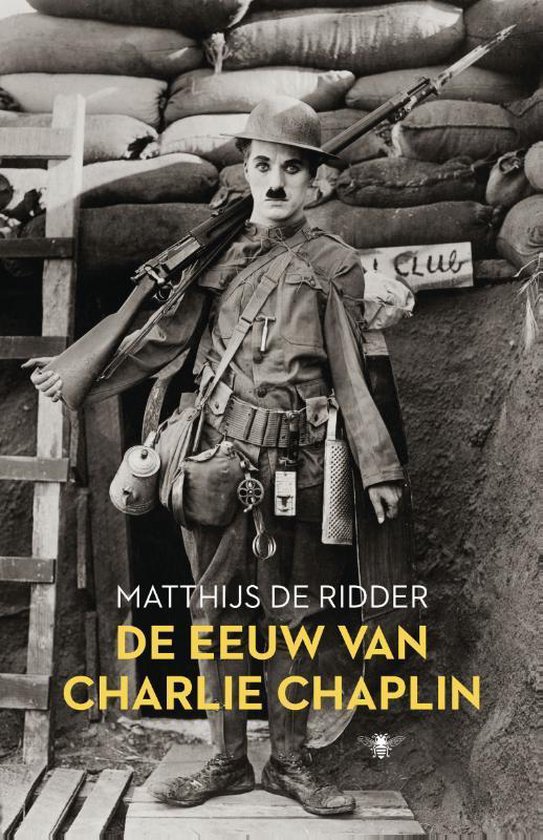
De eeuw van Charlie Chaplin
€ 12,50
Op voorraad. Voor 22:50 uur besteld, morgen in huis
Bekijk bij bol
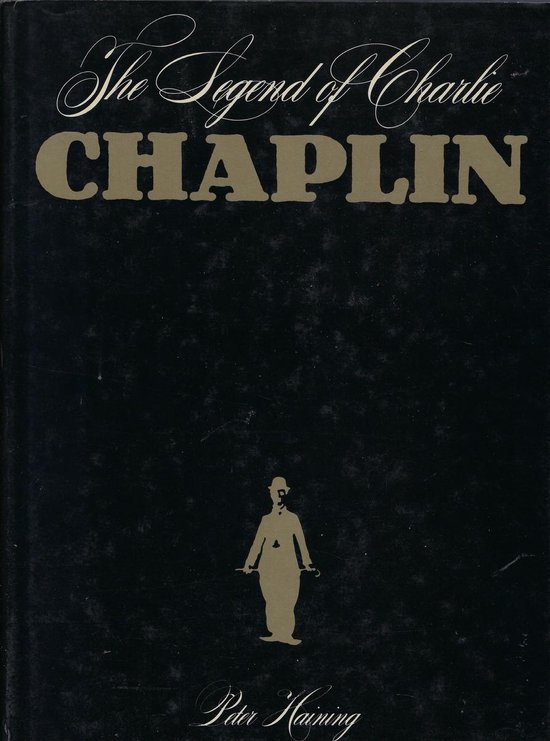
The Legend of Charlie Chaplin
€ 29,95
Op voorraad. Voor 15:00 uur besteld, morgen in huis
Bekijk bij bol
Campus diaries 3 - De Charlie-methode
€ 21,50
Op voorraad. Voor 23:59 uur besteld, morgen in huis
Bekijk bij bol
Charlie et la chocolaterie
€ 8,49
Op voorraad. Voor 21:50 uur besteld, morgen in huis
Bekijk bij bol